courses at Michigan State University
ISP 205
Visions of the Universe
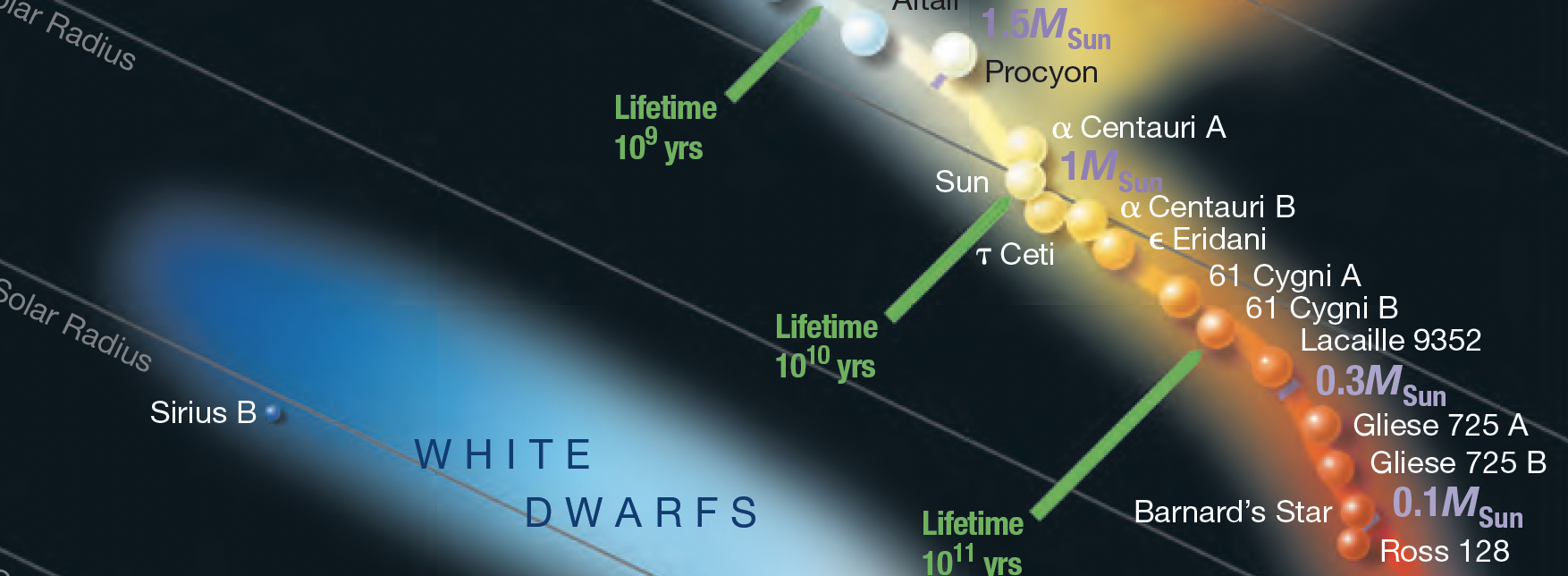
This introductory astronomy course for non-majors spans the universe in a single semester. Our main goals are to build perspective on how human life is related to what’s been happening in the universe during the past 14 billion years and to understand how scientific thinking reveals how the physical world operates. It’s part of the Integrative Studies Program in General Sciences. (Last taught: Spring 2024)
ISP 205L
Visions of the Universe Lab
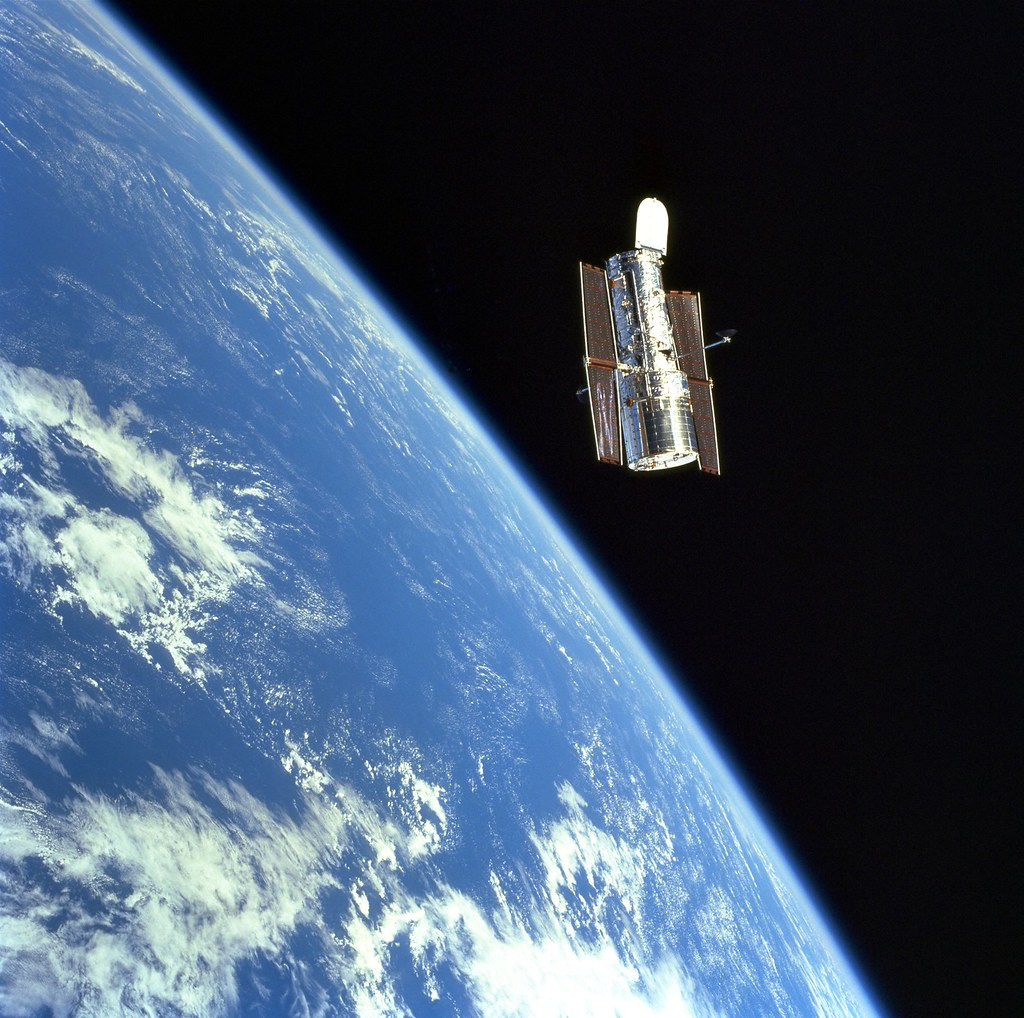
Our astronomy lab course at Michigan State is separate from the lSP 205 lecture course. In the lab course we do hands-on investigations designed to illustrate how science works. The course meets in the Abrams Planetarium, giving students an opportunity to learn the major constellations of the night sky. It’s also part of the Integrative Studies Program in General Sciences. (Last taught: Spring 2021)
AST 207
The Science of Astronomy
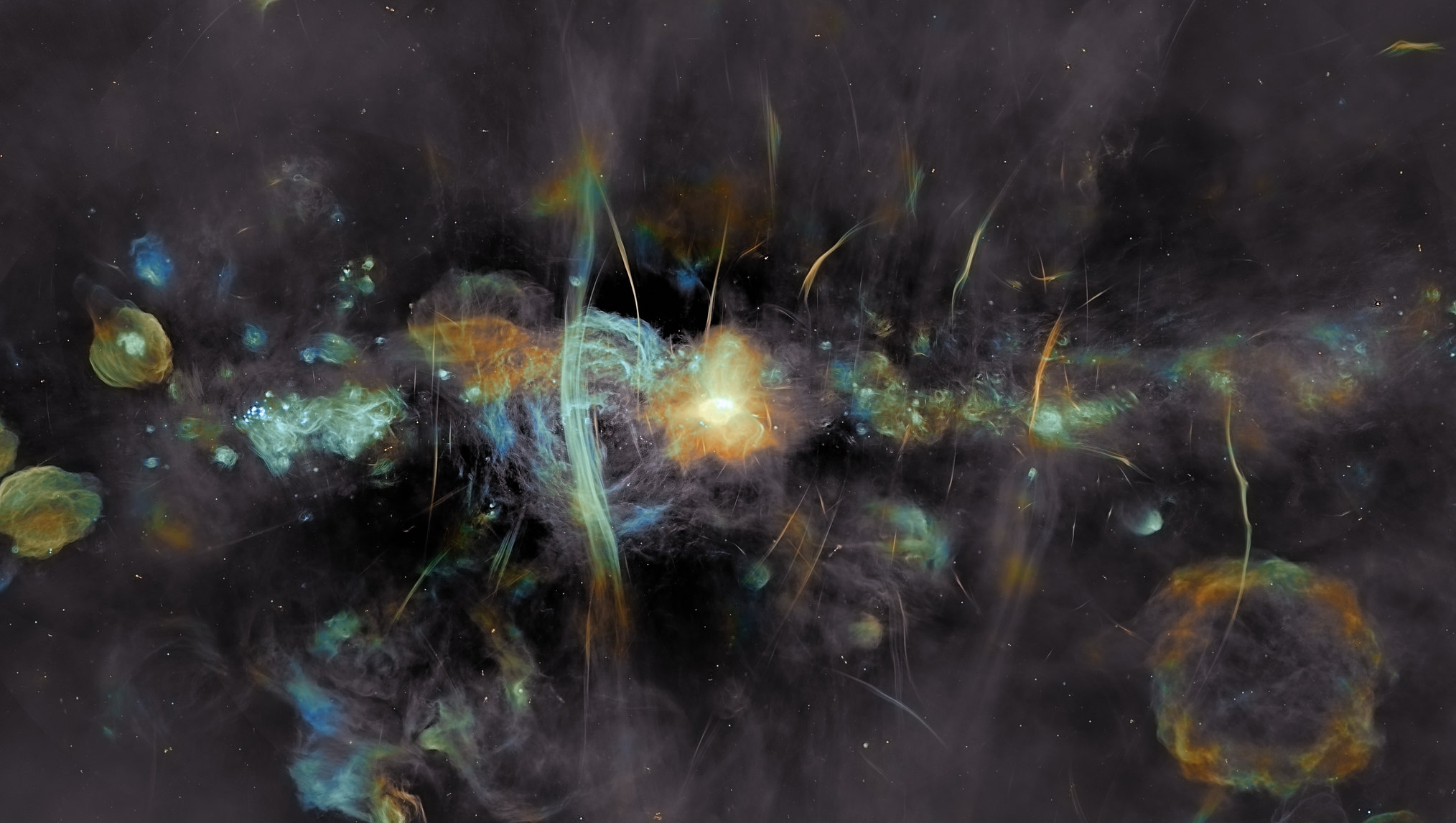
This introduction to astronomy is designed for undergraduates who have had college-level courses in math and physics and may be considering majoring in astrophysics. As students investigate the universe, what it contains, and how it works, they also reflect on the nature of scientific evidence and how to assess its credibility. (Last taught: Fall 2023)
AST 810
Radiative Astrophysics
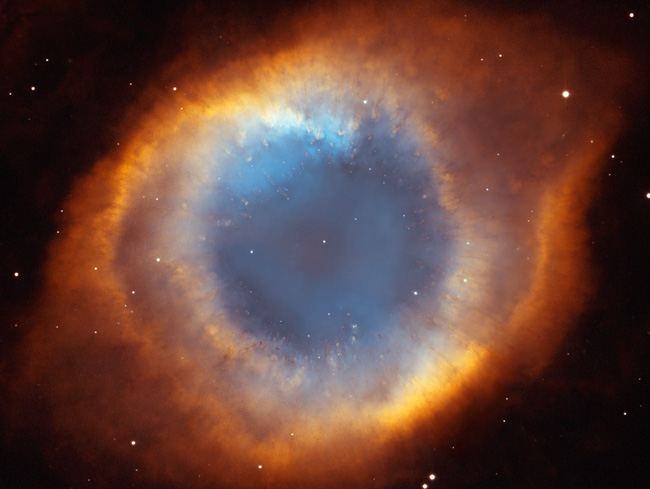
Astrophysical research depends critically on our understanding of how light and matter interact. This course is an introduction to those radiative processes for graduate students who are interested in earning a Ph.D. in astrophysics. It concentrates on applications of undergraduate physics to astrophysical scenarios and is required in MSU’s graduate astrophysics program. (Last taught: Fall 2011)
AST 835
Extragalactic Astrophysics
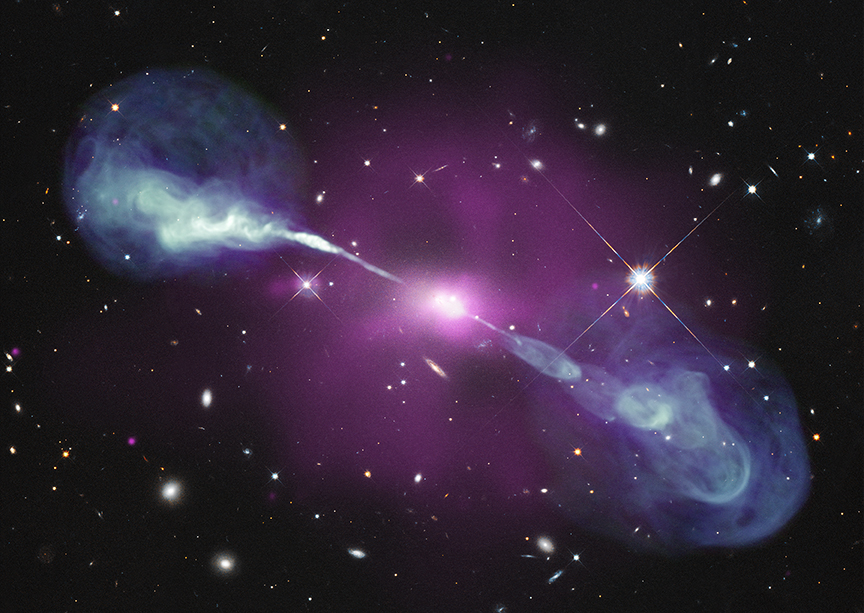
Much of modern astrophysics strives to understand how the universe changes with time and how the galaxies within it evolve. That’s the subject of this graduate course. It concentrates on the fundamental ideas of physical cosmology and the key concepts required to understand how galaxies work. It’s another core course in in MSU’s graduate astrophysics program. (Last taught: Spring 2019)
 G. Mark Voit